
How SR22 Insurance Quotes Work

An SR22 quote is not a standalone insurance product — it is an upfront estimate for an auto insurance policy (liability or full coverage), plus the required state administrative processing fee, plus the carrier's commitment to transmit the filing to state officials electronically. When requesting a quote, you are getting an overall price on high-risk car insurance that includes an attached SR22 filing.
Not every insurance company processes SR22 documents in every state, which means your initial step must be confirming that the carrier actually files paperwork in your jurisdiction — a low rate from an insurer that cannot file documents with the Texas Department of Motor Vehicles holds no value.
In Texas, standard SR-22 forms cover non-DUI high-risk events, including driving without active insurance or license suspensions. However, if your license was suspended following a DUI conviction, Texas statutes mandate an FR-44 filing instead, which requires significantly higher liability limits of $100,000 for bodily injury per person, $300,000 for bodily injury per accident, and $50,000 for property damage.
What You'll Need to Get an Accurate Quote

To receive an accurate rate quote rather than a rough approximation, most auto insurers will require:
- The specific violation that caused your SR22 requirement, such as uninsured driving, accumulated points, or a crash without insurance.
- Your recent driving record, including all traffic tickets.
- Whether you own a vehicle or need non-owner SR22 coverage.
- Your state of residence and primary ZIP code.
- Your age alongside your total years as a licensed driver.
Having these details ready before shopping for quotes speeds up the submission process and provides an accurate quote immediately, preventing unexpected rate increases once underwriters review your history.
Cheap vs. Cheapest: What the Difference Actually Means
"Cheap" SR22 insurance generally describes any policy offering reasonable rates for a high-risk driver while fulfilling state-mandated coverage minimums. "Cheapest" refers to the absolute lowest premium available after comparing rates across multiple insurers. The two terms are not synonymous: a policy that seems cheap on its own may not actually be the cheapest option after evaluating four or five competing companies.
Average policy rates vary based on geographic location, specific driving infractions, and overall driving history, meaning there is no single average rate that applies to everyone. What remains true is that shopping around always yields better results than taking the first quote, especially for high-risk drivers whose rates vary wildly between insurers.
Non-Owner vs. Standard Auto Quotes
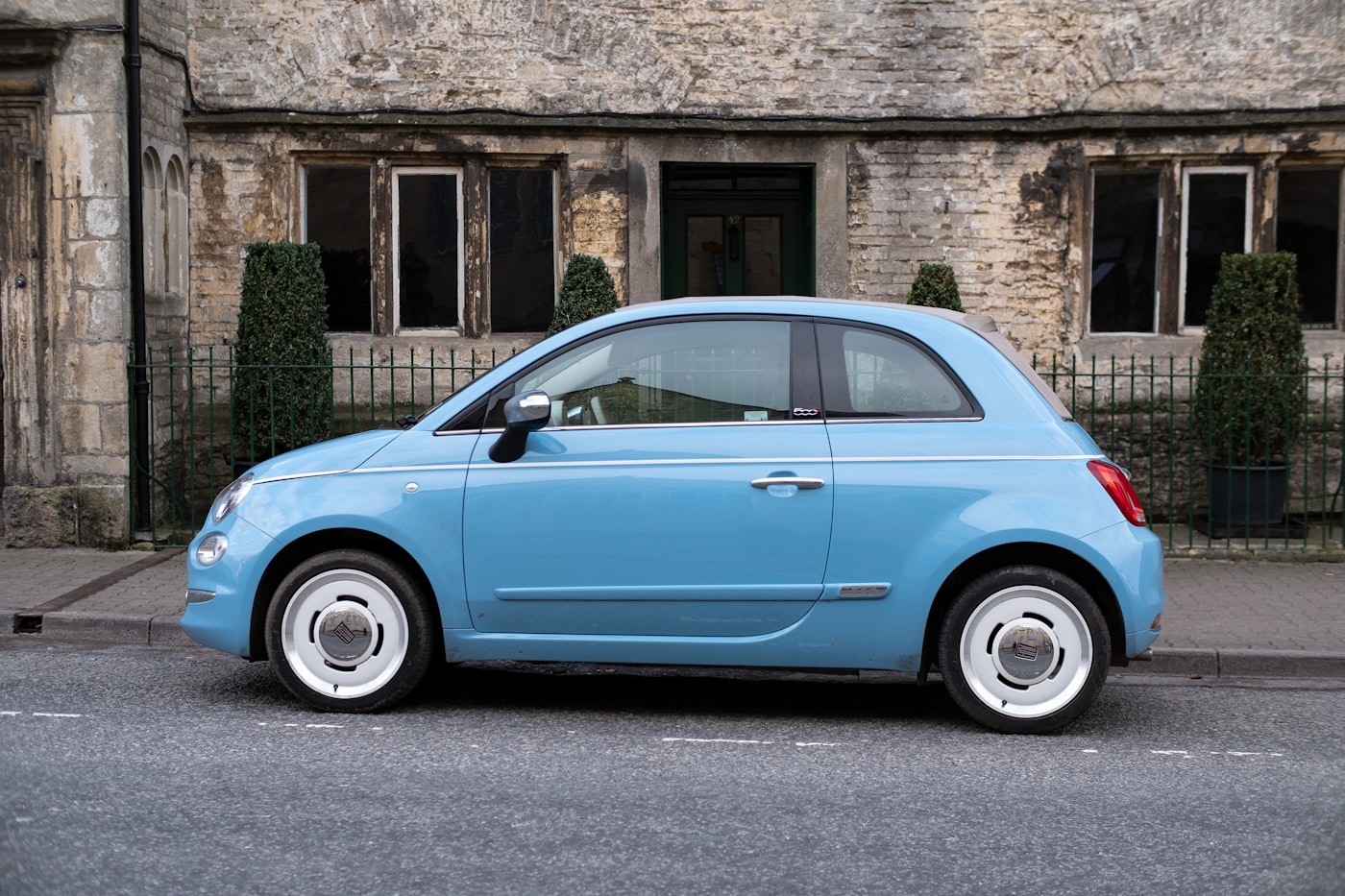
If you do not own a vehicle, ensure that you are requesting non-owner SR22 quotes rather than standard auto insurance quotes — the risk models are totally different, and a standard auto policy will not apply without a vehicle listed. If you do own a vehicle, you must purchase a standard auto SR22 policy, which costs more because it covers physical vehicle damage and related liabilities.
Progressive is a popular choice for SR22 filings because it regularly writes policies for high-risk drivers across most states, but it is not guaranteed to be the cheapest carrier for every driver. View any initial quote as just one choice among many until you have evaluated alternative insurers.
Where to Get SR22 Insurance Quotes Near Me

Searching online for "SR22 insurance near me" in Austin, Texas is a common starting point, but SR22 filings are administered at the state level rather than locally — your coverage options are identical whether you reside in Austin, TX or a rural area. What varies by location is baseline pricing, as insurance carriers incorporate local ZIP-code risk factors into their algorithms. Local independent agents can be very helpful since they compare multiple companies for you, while online search tools let you compare a broader list of insurance carriers quickly.
How to Compare Quotes Properly

A lower rate listed on an insurance proposal is not automatically the superior choice. Before committing to a policy, verify that:
- Coverage limits match: A cheaper policy that offers coverage below state minimums is not a fair comparison; ensure you are matching limits against Texas's mandated SR22 requirements.
- The filing fee is accounted for: Certain carriers include the $15 to $50 state filing fee inside the quote, whereas others charge it as an extra fee; ask directly to avoid surprises.
- The policy term length: Six-month policy quotes cannot be compared directly against annual quotes without calculating the true monthly premium first.
- The carrier actually files SR22s in Texas: Confirm this detail directly with the TXDMV database before paying for coverage, rather than after the policy is issued.
Rules That Affect Your Quote Over Time
SR22 insurance premiums are not fixed for the entire duration of your state-mandated filing period. Several key factors impact your policy costs over time:
- Rates frequently decrease at policy renewal if you maintain a clean driving record and avoid coverage gaps.
- Allowing your policy to lapse prompts an automatic SR-26 cancellation filing sent to state authorities, which can reset your 3-year requirement and push rates back up.
- You can switch insurance providers during your filing period as long as there is zero gap in coverage; your new insurance company simply files a new SR22 on your behalf.
For official, unbiased information regarding state auto liability regulations, consult state insurance regulators' auto insurance guidance.
Savings Strategies Worth Trying
In addition to comparing quotes, several practical steps can help lower your ongoing SR22 insurance costs:
- Inquire about discounts: Ask insurers about available discounts even on high-risk policies — many companies still offer savings for paperless billing, auto-pay, or completing defensive driving courses.
- Re-shop at renewal: Compare rates again at every policy renewal instead of letting coverage auto-renew; high-risk rates often decrease significantly after a clean term.
- Adjust deductibles: Consider selecting higher deductibles if carrying comprehensive or collision coverage above liability minimums, which reduces your overall premium without affecting your SR22 status.
- Confirm non-owner status: If you do not own a car, verify that you are purchasing non-owner coverage rather than standard auto insurance — this distinction typically provides the largest discount available.
Frequently Asked Questions
Do all insurance companies offer SR22 insurance quotes?
No — SR22 filing availability varies widely among insurance companies and states. Some national carriers offer SR22 filings routinely, others refuse high-risk policies altogether, and some companies focus almost exclusively on high-risk drivers. Checking filing options early saves time.
How many quotes should I get before choosing an SR22 policy?
Collecting three to five quotes is an effective rule of thumb — it provides a clear picture of competitive market pricing without taking up too much time. Be sure to include non-owner insurance providers if you do not own a car.
Will requesting multiple SR22 quotes hurt my credit or driving record?
No. Requesting auto insurance quotes involves a soft inquiry that does not function like a hard credit check. Shopping around will not harm your credit score or alter your driving record.
The Bottom Line
For drivers in Austin, TX, the cost difference between your first SR22 quote and the lowest rate available is usually significant enough to make shopping around well worth your time. Ensure that coverage satisfies Texas's exact legal requirements, confirm that non-owner and standard quotes are categorized properly, and re-evaluate rates at policy renewal — this approach reliably yields the best prices available. For a thorough explanation of how the entire process works, view the complete SR22 insurance guide.